PROVE / Mechanical design
Vehicle Exterior Components
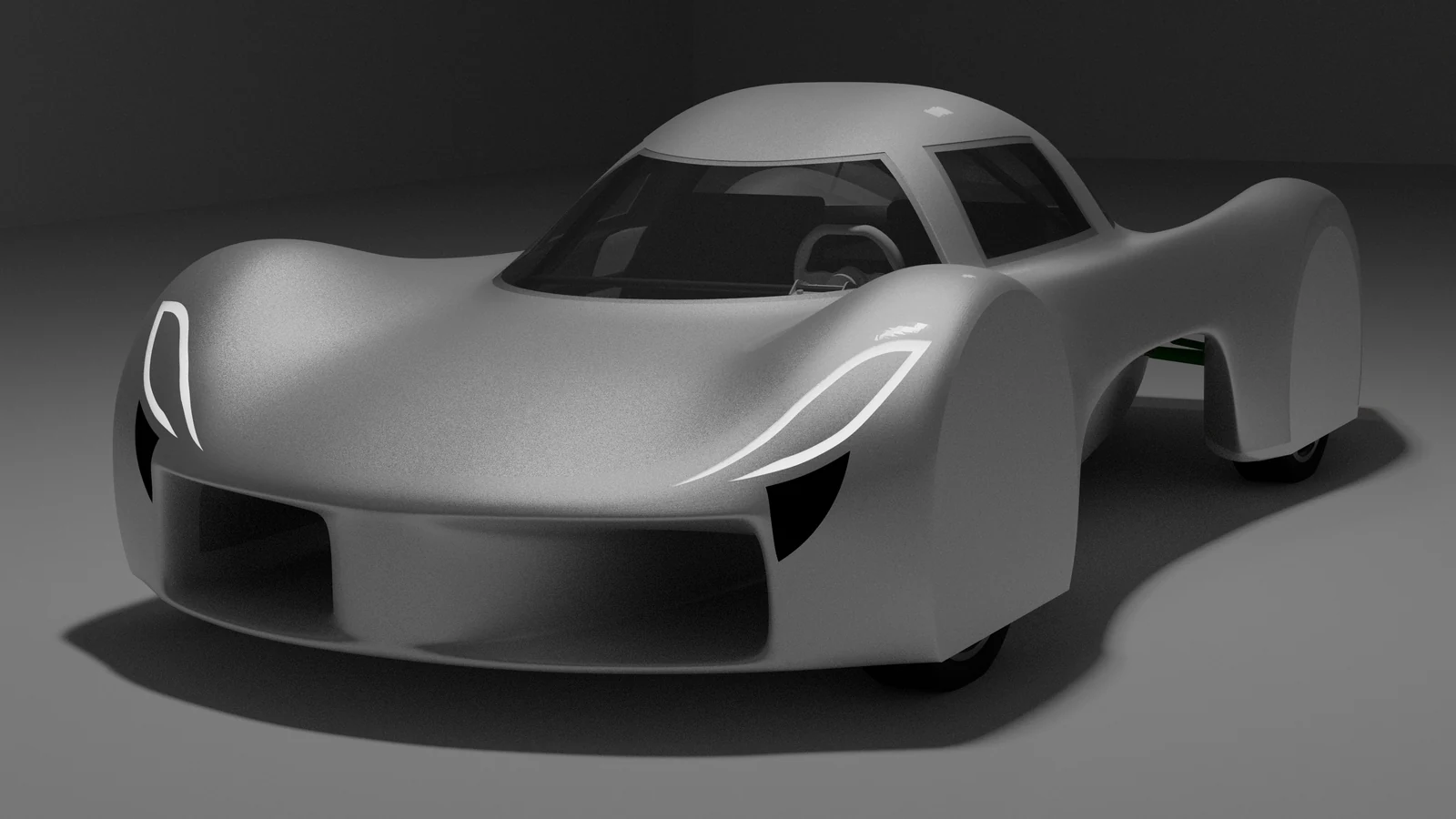
I developed charging-port and exterior lighting designs and prototypes for PROVE’s electric vehicle, balancing appearance, access, and manufacturability within tight packaging constraints.
Design decisions
Charging-port location
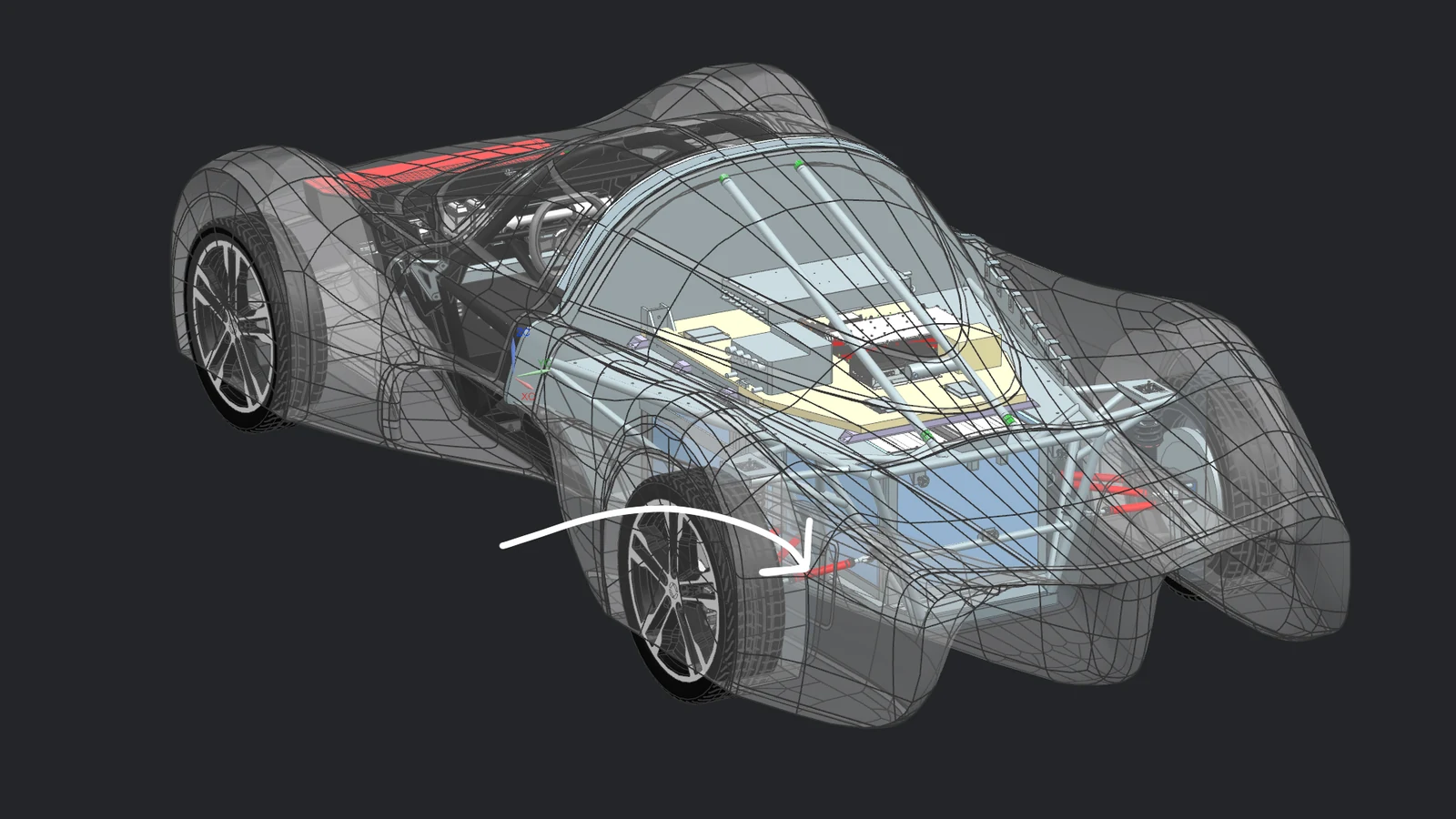
I chose a rear-left location for connector access, available space, and proximity to the high-voltage components. The vehicle geometry was frozen, so the housing had to fit the existing aeroshell.
Connector housing and hinge design
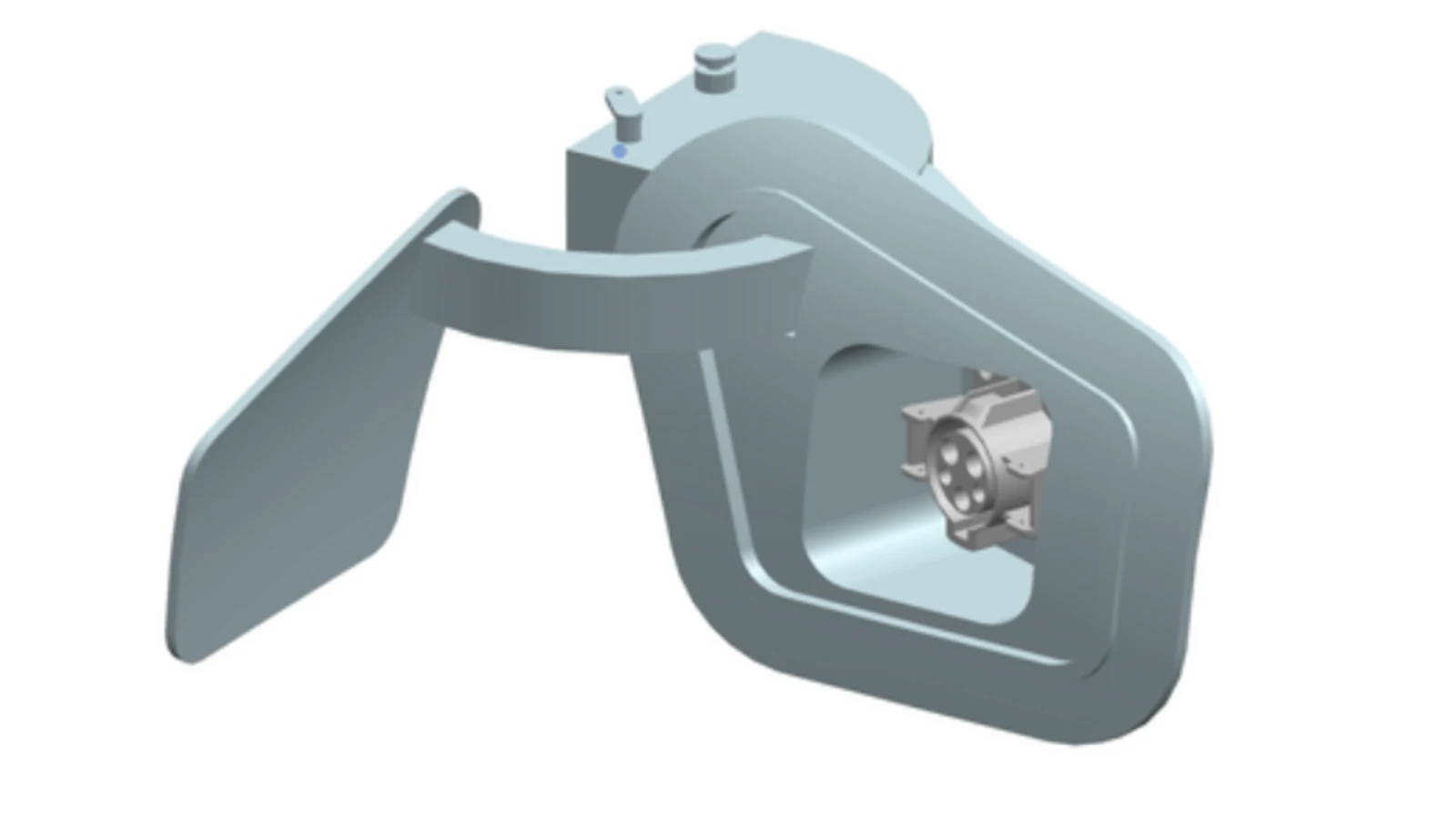
Since an off-the-shelf design wouldn’t work, I decided to develop a custom housing to fit the vehicle’s curved body. I modeled it around the J1772 connector in Siemens NX, with the goal of 3D printing it in as few parts as possible.
Housing and lid prototypes
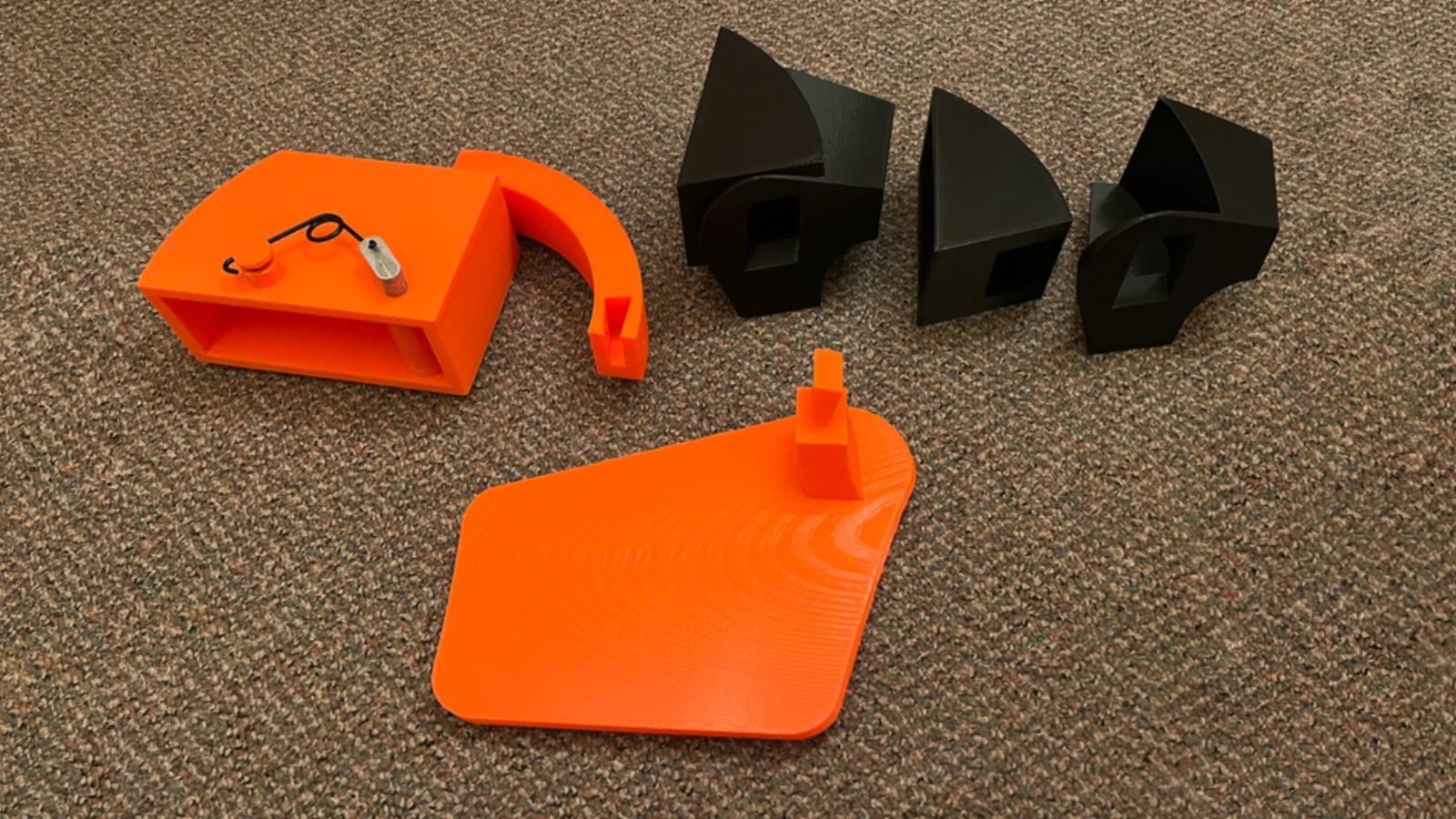
I 3D printed the housing and lid prototypes to check manufacturability and functionality. PETG was planned for the vehicle part.
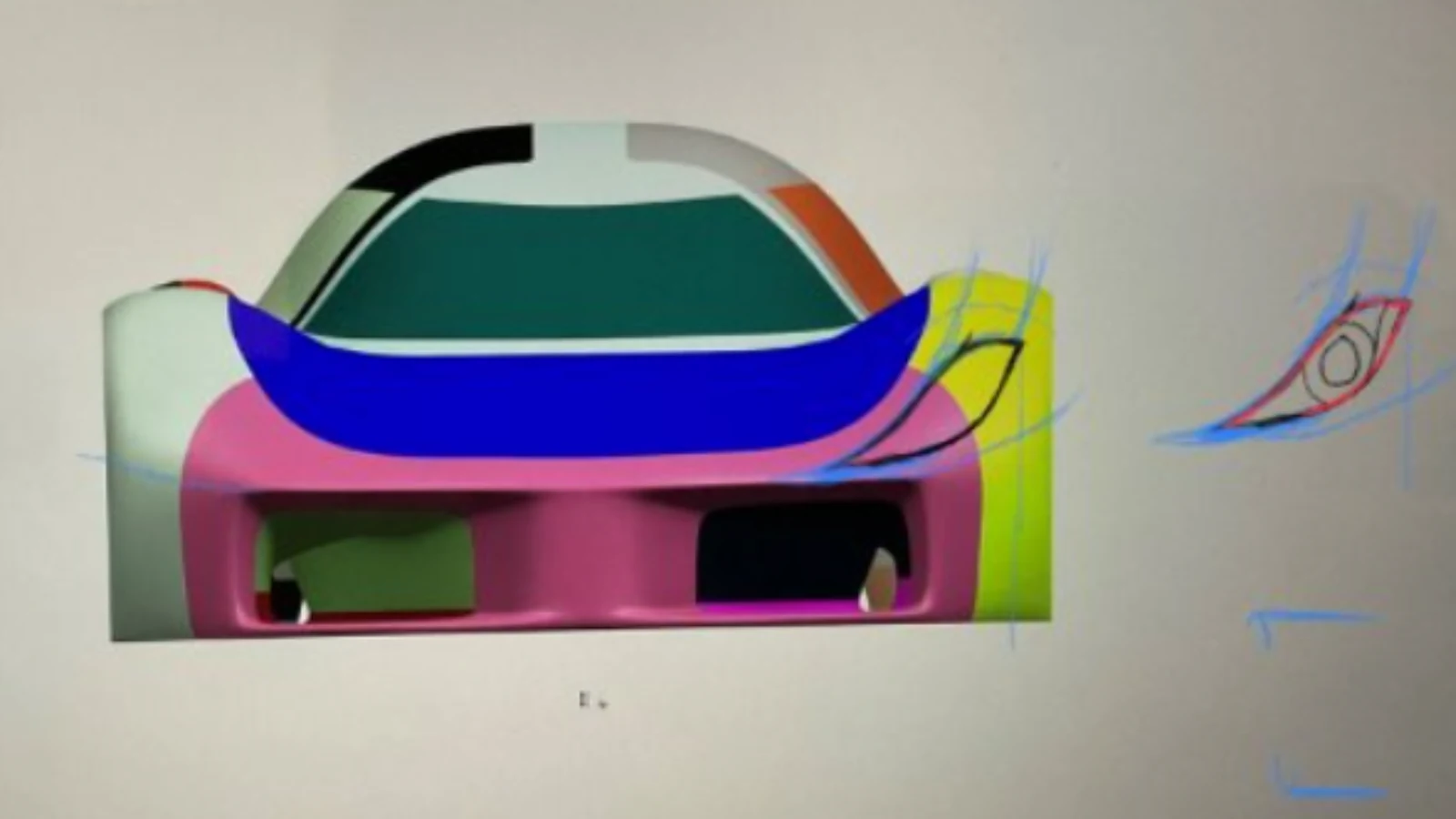
Exterior lighting design
The lighting needed to feel integrated with the aeroshell rather than added onto it. I started by sketching over the vehicle profile, then built out the headlight and taillight designs in Siemens NX.
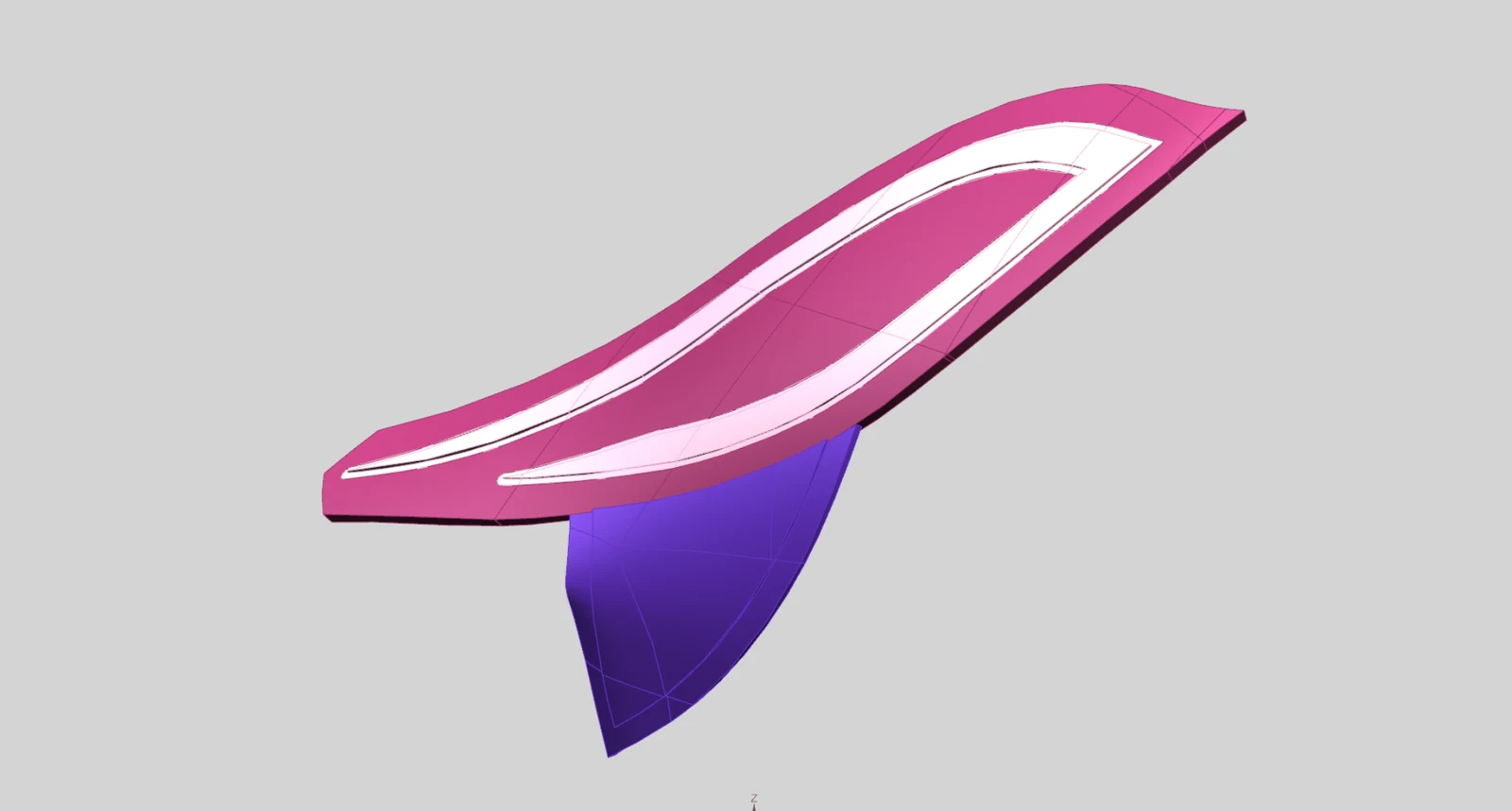
Headlight packaging and wheel clearance
A five-inch-deep projector headlight had to fit inside the curved body while clearing the wheels and aeroshell panels. These constraints led me to a split headlight design, with a proposed 3D-printed housing and vacuum-formed acrylic lens.
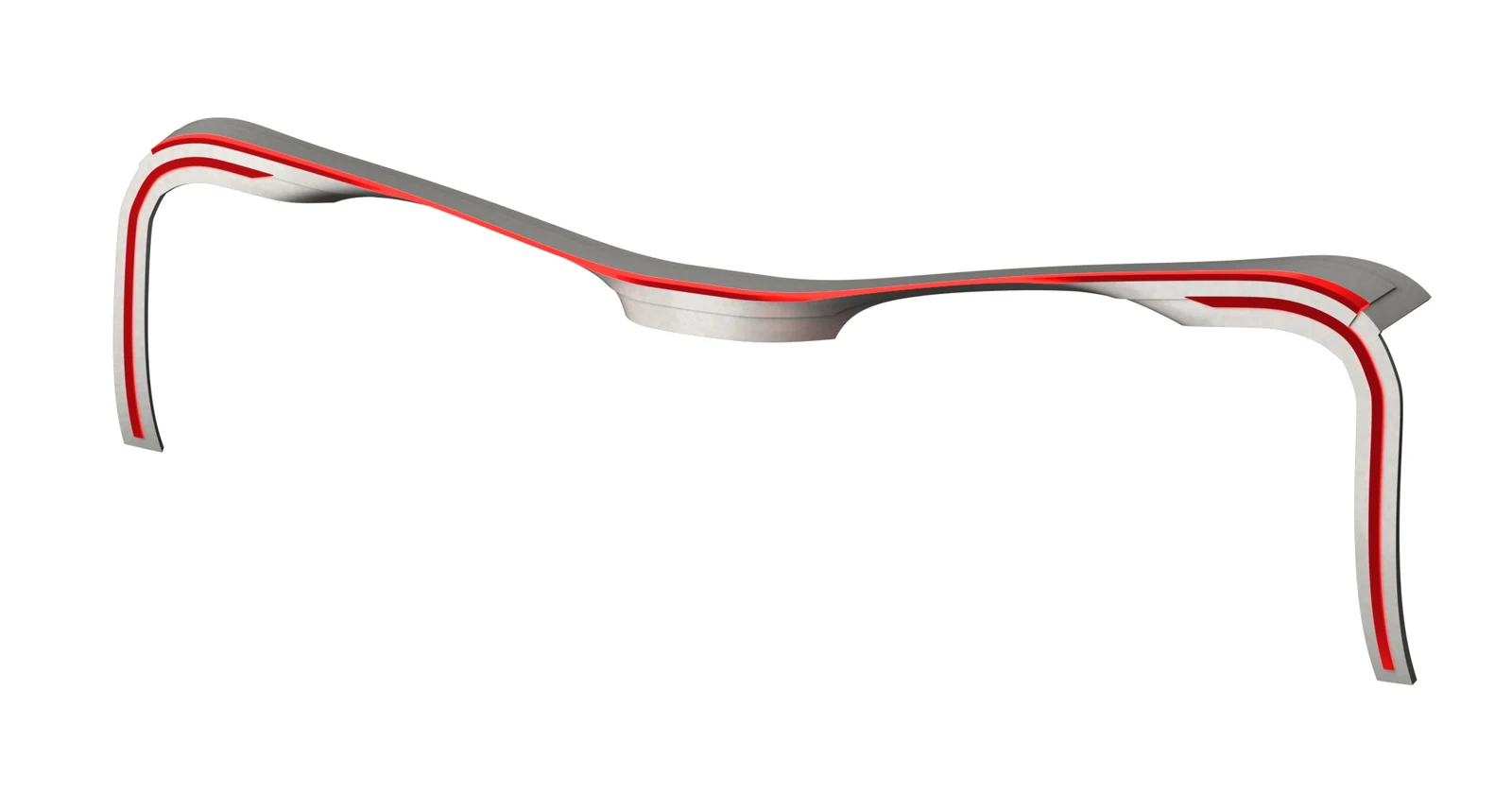
Rear lighting and manufacturing constraints
I explored a continuous rear light bar and considered cast resin and clear 3D printing for the diffuser. I ultimately concluded that the thin rear geometry would have required a fragile diffuser, with concerns about brittleness after UV exposure. I moved toward separate rear turn signals in areas with more room, repurposing the component as a structural connection between two body panels.